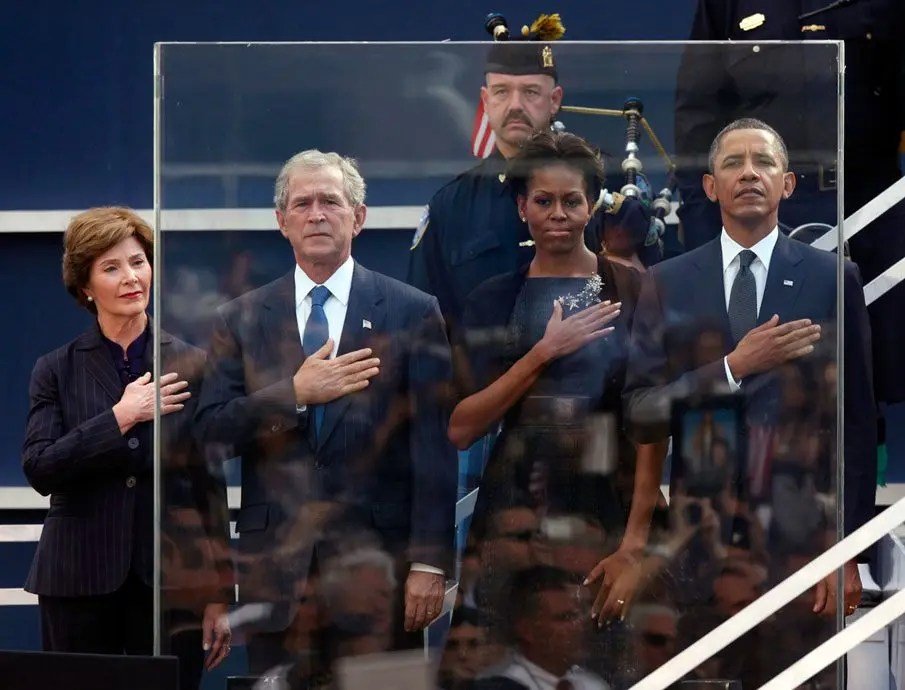
On September 11, 2001, George W. Bush was the 43rd President of the United States. He had only been in office for a little over eight months when the unprecedented terrorist attacks shook the nation to its core. His presidency, initially focused on domestic policies and tax cuts, was abruptly and irrevocably redefined by the events of that tragic day. To fully grasp the context and challenges leading up to this pivotal moment, it's helpful to review The Bush presidency before 9/11.
The Day That Changed Everything: The 9/11 Attacks Unfold
The 9/11 attacks were orchestrated by 19 militants associated with the extremist Islamic group al-Qaeda, using four hijacked commercial airplanes. The events unfolded with terrifying speed, leaving an indelible mark on American history and consciousness.
- 8:46 a.m.: American Airlines Flight 11 crashed into the North Tower (1 WTC) of the World Trade Center in New York City.
- 9:03 a.m.: United Airlines Flight 175 struck the South Tower (2 WTC) of the World Trade Center. Both towers tragically collapsed within an hour due to the impact and subsequent fires, leading to widespread devastation across Lower Manhattan.
- 9:37 a.m.: American Airlines Flight 77 crashed into the Pentagon in Arlington, Virginia, killing 184 people and causing significant structural damage.
- 10:07 a.m.: United Airlines Flight 93, believed to be targeting the U.S. Capitol or the White House, crashed in Shanksville, Pennsylvania, after heroic passengers fought back against the hijackers.
A Nation Under Attack: President Bush's Immediate Response
Confronted with an unimaginable crisis, President Bush immediately mobilized the government's response. On the evening of September 11, 2001, he addressed a grieving nation from the Oval Office, vowing to find and punish those responsible for the heinous acts. His administration swiftly moved to freeze the assets of suspected terrorist organizations, ramp up security measures nationwide, and begin forming an international coalition to counter terrorism.
President Bush also demonstrated powerful solidarity with the American people, famously visiting Ground Zero in New York City days after the attacks, where he spoke through a bullhorn to rescue workers. For a deeper dive into the crucial decisions made during those chaotic hours and days, and the leadership that emerged, Explore 9/11 presidential actions Understand presidential leadership in crisis.
Reshaping America: Domestic Policy Changes Post-9/11
The 9/11 attacks triggered an unprecedented restructuring of the U.S. government and its approach to national security. In November 2002, Congress enacted the Homeland Security Act, leading to the creation of the Department of Homeland Security (DHS). This historic reorganization marked the largest such undertaking of the U.S. government in modern history, designed to coordinate national efforts against terrorist threats from a single, unified agency.
Simultaneously, the USA PATRIOT Act was passed, significantly expanding law enforcement's surveillance powers. While intended to bolster security and prevent future attacks, this legislation also sparked considerable debate and concerns regarding civil liberties. To fully grasp these transformative shifts, including the debates surrounding civil liberties and the balance between security and freedom, learn more about Domestic Policy Changes: Patriot Act and the creation of DHS.
The Global Front: Launching the War on Terror
Beyond domestic policy, the Bush administration launched the "War on Terror," a global military campaign with far-reaching consequences. This initiative led to major conflicts and operations across the globe, most notably in Afghanistan and Iraq. Operation Enduring Freedom began in Afghanistan, aiming to dismantle Al-Qaeda and overthrow the Taliban regime that harbored the terrorist group.
Later, Operation Iraqi Freedom was launched in Iraq, with the stated goal of removing Saddam Hussein's regime. These military engagements redefined American foreign policy for decades, shifting global alliances and priorities. For a comprehensive look at the strategic decisions, military campaigns, and long-term implications that defined this era, delve into The War on Terror: Afghanistan and beyond.
The Enduring Economic Ripple Effects
The devastating physical destruction in New York City, the immediate disruption to air travel and financial markets, and the long-term costs of heightened security and ongoing wars had profound economic repercussions. The attacks immediately halted economic activity in affected areas and initiated a period of uncertainty that rippled through global markets. Rebuilding efforts, coupled with massive government spending on security and military operations, reshaped national priorities and budgets for years to come. To understand how the nation grappled with these financial challenges and the complex path to recovery, Explore 9/11s economic impact Understand post-9/11 economic challenges and solutions.
Bush's Leadership Transformed: A Turning Point in the Presidency
The 9/11 attacks profoundly altered President Bush's leadership style and the trajectory of his time in office. His focus dramatically shifted from domestic issues to crisis management, national security, and counter-terrorism. Decision-making became more centralized, and his communication style evolved into direct, frequent addresses to the nation, projecting strength and resolve. Public approval for President Bush surged to an unprecedented 90% in the immediate aftermath of 9/11, reflecting a unified nation in crisis, though it would decline in later years. The events of that day undeniably marked a significant turning point in presidential history, forever shaping U.S. foreign policy and national security for generations to come.
The question of "who was the president during 9/11" is answered by George W. Bush, but his leadership in that moment extended far beyond merely holding the office. His response to the attacks, and the subsequent policies and military actions, fundamentally reshaped the American presidency, U.S. foreign policy, and the global security landscape. The legacy of 9/11 continues to influence national discourse, international relations, and how future presidents approach threats to the nation.
Panduan Terkait
Jangan lewatkan panduan mendalam berikut: