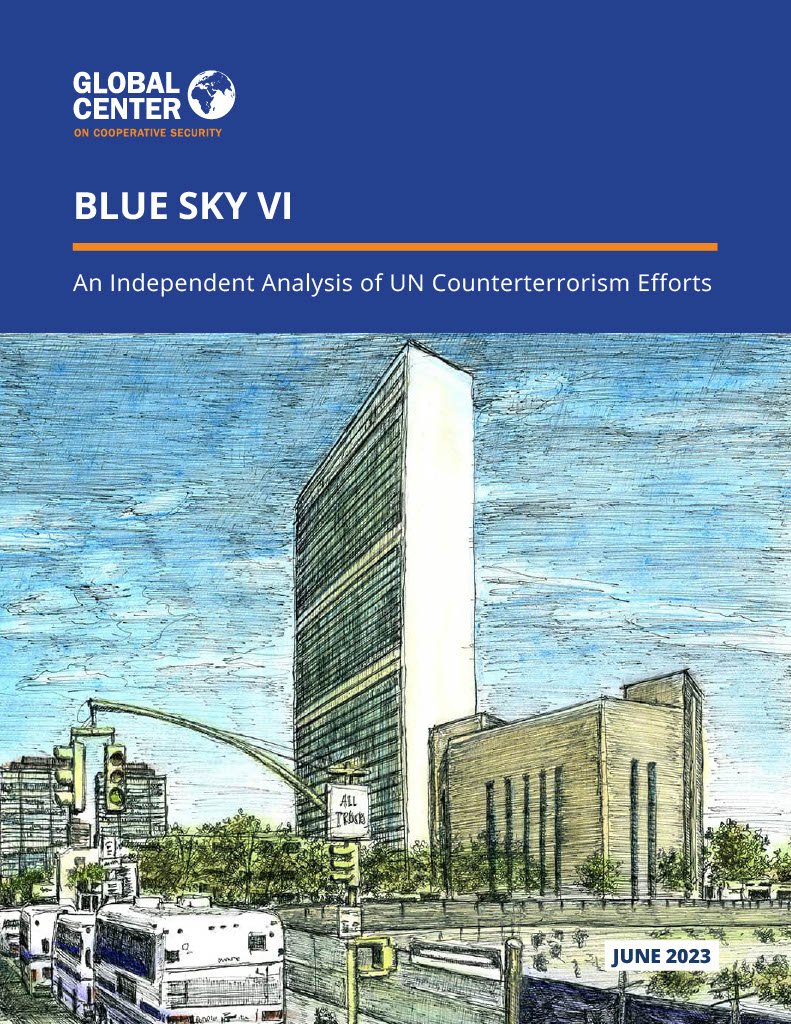
The global security landscape is in constant flux, a dynamic arena where traditional threats merge with emerging dangers. In this intricate environment, the Global Counter-Terrorism and Alliances Shift isn't just a headline; it's a critical, ongoing evolution shaping how nations protect their citizens and maintain stability. From the coordinated response after the 9/11 attacks to today’s complex web of cyber threats and ideological radicalization, the strategies and partnerships countries forge are adapting at an unprecedented pace. We’re witnessing a profound transformation in how the world unites against a borderless enemy.
At a Glance: Understanding the Counter-Terrorism Shift
- Alliances are Evolving: Nations are forming strategic partnerships—from international bodies like NATO to regional groups and bilateral agreements—to share intelligence, coordinate operations, and develop unified responses.
- Technology is Key: Advanced tools like AI, data analytics, biometrics, and drones are being integrated for enhanced surveillance, detection, and combating cyber threats and online radicalization.
- Complex Challenges Persist: Coordinating diverse national priorities, building trust, balancing sovereignty, and adapting to terrorism's ever-changing nature remain significant hurdles.
- Successes Show the Way: Effective intelligence sharing and joint operations have demonstrably disrupted terrorist networks and prevented attacks.
- Civil Society's Crucial Role: Non-governmental organizations (NGOs) and grassroots initiatives are vital for addressing radicalization, peacebuilding, and bridging the gap between governments and communities.
- A United Nations Framework: The UN Global Counter-Terrorism Strategy provides a living, four-pillar framework guiding global efforts, emphasizing human rights and capacity building.
- Future Focus: The emphasis is on proactive collaboration, continuous technological advancement, inclusivity, and agile partnerships between state and non-state actors.
The Shifting Sands of Global Security: Why Alliances Matter More Than Ever
Imagine a world where threats respect no borders, where a single act of violence in one nation can reverberate globally. This isn't science fiction; it's the reality that has driven nations to realize that going it alone against terrorism is a losing proposition. Counter-terrorism alliances are not merely diplomatic pleasantries; they are the strategic partnerships nations form to collectively combat terrorism, enhancing cooperation, sharing vital information, and coordinating responses. These alliances are foundational for fortifying global defense, promoting unified action, and safeguarding countries against threats that constantly evolve.
The very formation of these alliances stems from a fundamental recognition: terrorism is a transnational threat. It demands a response that transcends individual national interests, requiring mutual agreements, intricate diplomatic negotiations, stringent intelligence-sharing protocols, and the development of joint strategies with common goals and shared responsibilities. Without these collaborative structures, the sheer scale and complexity of modern terrorism would quickly overwhelm even the most powerful nations.
A Coalition of the Willing: Decoding Types of Counter-Terrorism Alliances
The architecture of global counter-terrorism alliances is surprisingly varied, designed to address threats at different scales and with varying levels of integration. Understanding these distinct types helps illustrate the diverse ways nations choose to cooperate.
Major International Alliances: The Big Guns
These are the most comprehensive partnerships, often bringing together nations with shared values, geopolitical interests, or historical ties. They serve as critical platforms for wide-ranging intelligence sharing, coordinating large-scale operations, and fostering broad international cooperation. Think of them as the bedrock upon which much of the global counter-terrorism effort rests.
- NATO (North Atlantic Treaty Organization): While primarily a military alliance focused on collective defense, NATO has significantly pivoted its mission since the early 2000s to include counter-terrorism as a core objective. Members routinely share intelligence, conduct joint exercises, and collaborate on capacity building for partners. The alliance's article 5, which states that an attack on one is an attack on all, was invoked for the first time after the 9/11 attacks, underscoring the shift in global security priorities for its members. The challenges faced by the president during 9/11, particularly in rallying international support and defining the scope of the "War on Terror," underscored the necessity of robust international alliances for a coordinated global response.
- Five Eyes (US, UK, Canada, Australia, New Zealand): This intelligence-sharing network stands as one of the world's most sophisticated and effective. Built on decades of trust and shared operational standards, Five Eyes members intercept communications, analyze intelligence, and often conduct joint operations that have led to the apprehension of operatives and the prevention of numerous attacks globally. Their seamless information flow offers a critical advantage against agile terrorist groups.
- Global Coalition to Defeat ISIS: Formed specifically to counter the rise of the Islamic State, this coalition exemplifies a more ad-hoc but highly effective international partnership. Comprising dozens of nations, it brought together military, intelligence, and diplomatic efforts to dismantle ISIS's territorial control, disrupt its financing, and counter its propaganda. Its success demonstrated how diverse nations can unite around a specific, urgent threat.
Regional Alliances: Localized Focus, Shared Borders
Sometimes, the most effective responses come from those closest to the problem. Regional alliances foster collaboration among neighboring nations, specifically addressing threats pertinent to their shared geographic areas. These partnerships are particularly adept at enhancing intelligence sharing and coordination against groups that operate across regional borders.
- ASEAN Regional Forum (ARF): This forum, involving nations in Southeast Asia, has been instrumental in confronting the unique challenges of terrorism in that region. Through initiatives like joint military exercises and focused intelligence sharing, ARF members have made significant strides in neutralizing terrorist cells and disrupting networks that have historically plagued the area. Their focus on practical cooperation and capacity building reflects a pragmatic approach to regional security.
Bilateral Alliances: Tailored Partnerships
Beyond larger coalitions, many critical counter-terrorism efforts are conducted through bilateral agreements—partnerships between just two nations. These agreements are highly tailored to mutual interests, allowing for specific intelligence exchanges, joint training programs, and coordinated efforts that might not be feasible within larger, more unwieldy frameworks. They offer flexibility and depth in cooperation on specific, shared threats.
Weaponizing Innovation: How Technology Reshapes Counter-Terrorism Efforts
The battle against terrorism is increasingly fought in the digital realm and with sophisticated tools. Evolving strategies within counter-terrorism alliances now integrate advanced technology not just for enhanced surveillance and detection, but also to proactively counter the very means by which modern terrorist groups recruit and operate.
Enhanced Surveillance and Detection
Today's intelligence agencies and military forces leverage a formidable array of technologies:
- Data Analytics and AI: The sheer volume of global communications and open-source intelligence is overwhelming. AI-powered data analytics sift through vast datasets to identify patterns, anomalies, and potential threats far more quickly and accurately than human analysts ever could. This allows for predictive intelligence and early warning systems.
- Biometric Identification: From facial recognition at borders to fingerprint databases, biometrics provide irrefutable identification, crucial for tracking known operatives and preventing individuals on watchlists from crossing borders or accessing critical infrastructure.
- Drones and Satellites: Unmanned aerial vehicles (drones) offer persistent surveillance capabilities, providing real-time intelligence on suspicious activities in remote areas, while satellite imagery provides a broader, strategic overview of potential operational zones. These tools minimize risk to personnel while maximizing intelligence gathering.
Combating Cyber Threats and Online Radicalization
Terrorist groups exploit the internet not just for communication, but as a potent tool for propaganda, recruitment, and planning. Counter-terrorism alliances are adapting with robust digital defenses and proactive measures:
- Strengthening Cybersecurity: Nations collaborate to bolster critical infrastructure against cyberattacks from state-sponsored and non-state actors. This includes sharing threat intelligence, developing joint defense protocols, and training cyber security specialists.
- Monitoring Online Platforms: Intelligence agencies work to track extremist content across social media, dark web forums, and encrypted messaging apps. The goal is to identify individuals being radicalized, disrupt plots, and dismantle online networks. This is a delicate balance, however, respecting privacy while safeguarding national security.
- Countering Extremist Narratives: Beyond just monitoring, alliances actively engage in "counter-narrative" campaigns. This involves creating and disseminating messages that expose the hypocrisy of extremist ideologies, highlight the suffering they cause, and offer alternative pathways for disaffected individuals. It's a battle for hearts and minds, fought with information.
Navigating the Minefield: Core Challenges for Global Alliances
Despite the clear necessity and proven benefits, counter-terrorism alliances are far from simple to manage. They face inherent complexities that can hinder their effectiveness and demand constant diplomatic effort.
Bridging Diverse Priorities and Political Systems
One of the most significant challenges is coordinating a multitude of diverse nations, each with its own domestic priorities, political systems, and ideological leanings. What might be a top security concern for one country could be secondary for another, leading to difficulties in agreeing on common strategies and swift, unified responses. A democratic nation's approach to human rights in counter-terrorism, for example, might clash with an authoritarian state's methods.
Building Trust and Achieving Consensus
Effective intelligence sharing, the lifeblood of any alliance, relies on profound trust. Yet, this trust can be fragile, especially among states with different resources, capabilities, and strategic outlooks. Achieving consensus on critical decisions, particularly when it involves military action or sharing sensitive intelligence, often requires protracted negotiations and compromises, which can delay vital responses.
Balancing National Sovereignty with Collective Action
Nations, by their very nature, prioritize their individual interests and the protection of their sovereignty. This can create tension when collective action demands some relinquishing of control or adherence to policies that might not perfectly align with specific national agendas. The question of who leads, who contributes what, and who ultimately makes the final call can be a constant source of friction.
The Agile Enemy: Adapting to Evolving Threats
Terrorism is a protean threat; it constantly morphs and adapts. The rise of lone-wolf attackers, the exploitation of new technologies, and the shift to online radicalization require counter-terrorism alliances to be exceptionally agile and innovative. This demands continuous re-evaluation of strategies, rapid deployment of new technologies, and flexible cybersecurity measures—a monumental task when coordinating multiple bureaucratic systems.
Victories in the Shadows: Notable Successes of Cooperative Action
Despite the challenges, the track record of counter-terrorism alliances includes significant, albeit often unpublicized, victories that underscore their indispensable value. These successes are a testament to the power of collective resolve.
One prominent example is the ongoing intelligence sharing among NATO members. This robust framework has consistently enabled the disruption of sophisticated terrorist networks across continents. By pooling resources and insights, member states have pieced together complex plots, identifying key operatives and financial facilitators before they could execute attacks. This collaborative intelligence environment has been a cornerstone of transatlantic security for decades, adapting its focus from Cold War threats to the diffuse dangers of terrorism.
Similarly, the Five Eyes alliance stands out for its extraordinary effectiveness. Its highly integrated intelligence apparatus has intercepted countless communications, leading directly to the apprehension of operatives and the prevention of attacks in multiple countries. This alliance's ability to seamlessly share and analyze signals intelligence has provided an unparalleled advantage in tracking and neutralizing high-value targets and broader terrorist planning. Their work often remains classified, but its impact on global security is undeniable.
In Southeast Asia, the ASEAN Regional Forum's persistent efforts have yielded concrete results in neutralizing terrorist cells. Through joint military exercises, shared best practices, and enhanced intelligence exchange, member nations have collaborated to dismantle local networks, interdict illicit flows, and strengthen border security. These regional successes demonstrate how tailored, geographically specific alliances can effectively address localized threats before they escalate into wider regional or global crises. The strategic shifts in global counter-terrorism, often initiated by events like the 9/11 attacks when George W. Bush was President during 9/11, have consistently emphasized the need for more interconnected and adaptable international cooperation.
Beyond Bombs and Borders: The Essential Role of Civil Society
While military and intelligence operations are often in the spotlight, a crucial component of the global counter-terrorism effort operates at the grassroots level, far from the halls of power. Non-governmental organizations (NGOs) and various civil society initiatives play a pivotal role, quietly but effectively addressing the root causes and consequences of terrorism.
These organizations are often the first responders to societal vulnerabilities that extremist ideologies exploit. They work tirelessly on initiatives that include:
- Addressing Radicalization: NGOs often run programs designed to counter extremist narratives directly within communities, offering alternative perspectives and support for individuals at risk of radicalization. They provide safe spaces for dialogue and mentorship, fostering resilience against recruitment.
- Promoting Peacebuilding: In conflict-affected regions, civil society groups are instrumental in fostering inter-community dialogue, mediation, and reconciliation. By building bridges between divided groups, they reduce the grievances that terrorists often exploit.
- Community Outreach and Education Campaigns: These initiatives raise awareness about the dangers of terrorism and violent extremism, educate communities on how to identify warning signs, and empower local leaders to promote tolerance and understanding.
- Conflict Resolution: NGOs frequently engage in diplomatic efforts at a local level, mediating disputes and resolving grievances that, if left unaddressed, could create fertile ground for extremist recruitment.
Crucially, NGOs and civil society initiatives bridge a vital gap between government agencies and local communities. They often possess a level of trust and local knowledge that government entities may lack, enabling them to foster trust, share unique local insights, and provide targeted advocacy, capacity-building, and humanitarian assistance. Their work complements traditional military and intelligence efforts by tackling the ideological and social underpinnings of terrorism, making their engagement an indispensable part of a truly comprehensive counter-terrorism framework.
The UN's Guiding Hand: A Framework for Global Resolve
Recognizing the multifaceted nature of terrorism and the necessity for a unified global approach, the United Nations adopted the United Nations Global Counter-Terrorism Strategy (UNGCST) in 2006. This landmark document is not merely a declaration; it's a dynamic, living framework that affirms that Member States bear the primary responsibility for implementing the strategy and preventing/combating terrorism within their borders and beyond. It sends an unequivocal message: terrorism is unacceptable in all its forms and manifestations, demonstrating Member States’ collective resolve for individual and collective action.
The Strategy is built upon four interconnected pillars, designed to provide a holistic and comprehensive approach to counter-terrorism:
- Measures to address conditions conducive to the spread of terrorism: This pillar focuses on tackling the root causes that allow terrorism to flourish. This includes resolving protracted conflicts, promoting good governance, upholding human rights, addressing socio-economic marginalization, and fostering inter-cultural dialogue. It's about denying terrorists the oxygen they need to breathe.
- Measures to prevent and combat terrorism: This pillar outlines practical steps nations can take, such as denying terrorists access to financing, ensuring border security, strengthening law enforcement capabilities, and enhancing international cooperation in criminal justice matters. It’s about direct intervention and prevention.
- Measures to build States’ capacity to prevent and combat terrorism and strengthen the role of the UN system: Recognizing that not all nations have equal resources, this pillar emphasizes assistance to Member States in developing their legal frameworks, operational capabilities, and technical expertise. It also highlights the crucial coordinating and facilitating role of the UN system.
- Measures to ensure respect for human rights for all and the rule of law: This pillar is fundamental, asserting that effective counter-terrorism measures must be carried out in full respect of human rights and the rule of law. It underscores that sacrificing rights in the name of security can be counterproductive, alienating communities and potentially fueling radicalization.
The UNGCST is truly a "living document" because it's not static. Since its adoption in 2006, the General Assembly usually reviews it every two years to ensure it remains relevant and responsive to evolving threats. The eighth review occurred in 2023, and the ninth, marking the 20th anniversary of its adoption, is slated for 2026. For these reviews, the President of the General Assembly appoints co-facilitators, and the UN Office of Counter-Terrorism (UNOCT) serves as the substantive secretariat, coordinating input from Member States and other stakeholders to shape the Strategy's ongoing evolution.
Mapping the Future: Proactive Strategies for Sustainable Security
As the global threat landscape continues its relentless evolution, the future of counter-terrorism alliances must emphasize proactive collaboration and continuous technological advancement. The reactive approaches of the past simply won't suffice against agile, networked adversaries.
A sustainable framework for global security demands several key shifts:
- Enhanced Information-Sharing and Intelligence Capabilities: This means not just more data, but better quality data, analyzed faster, and shared more broadly among trusted partners. Investing in secure, interoperable platforms and standardizing intelligence protocols will be paramount.
- Prioritizing Cybersecurity: With an increasing number of attacks targeting critical infrastructure and government systems, robust cybersecurity collaboration is no longer an option but a necessity. This includes joint threat intelligence sharing, coordinated defense exercises, and rapid response mechanisms to mitigate cyber incidents.
- Multilateral Partnerships and Inclusivity: The most effective alliances will be those that cast a wide net, engaging a diverse range of nations, including those in regions directly impacted by terrorism. Inclusivity ensures a broader base of support, a wider pool of intelligence, and greater legitimacy for collective action.
- Agility and Collaboration Between State and Non-State Actors: The bureaucratic inertia often associated with large state entities can be a disadvantage against nimble terrorist groups. Future alliances need mechanisms for rapid decision-making and deployment. Furthermore, recognizing the invaluable role of NGOs and civil society, future strategies will deepen collaboration with these non-state actors, leveraging their grassroots reach and specialized expertise.
- Investing in Prevention and Resilience: Shifting focus from purely reactive measures to proactive prevention, including addressing socio-economic factors, promoting education, and strengthening community resilience against extremist narratives, will be crucial. This involves long-term commitment and sustained investment.
Measuring Success: How to Evaluate a Counter-Terrorism Alliance
How do you know if a counter-terrorism alliance is truly effective, or just an expensive talking shop? Evaluating these complex partnerships requires more than just tallying operations; it demands a nuanced assessment of their structure, collaboration, impact, and adaptability. When you look at an alliance, consider these criteria:
Clear Objectives and Goals
An effective alliance starts with a precise understanding of its mission. Are its objectives clearly defined? Are these goals aligned with the overall strategies of its member states? Vagueness can lead to wasted resources and fractured efforts. The more specific the targets—whether it's disrupting a particular network, securing a specific region, or countering a certain ideology—the easier it is to measure progress.
Level of Collaboration and Information Sharing
The heart of any alliance is its ability to foster genuine collaboration and seamless information flow. Evaluate the mechanisms in place for intelligence sharing: Are they efficient, secure, and routinely utilized? Do members contribute actively, or are some merely receiving? Strong alliances thrive on mutual trust and reciprocal sharing, not just one-way communication.
Impact on Counter-Terrorism Efforts (Outcomes, Results, Prevention)
Ultimately, an alliance's worth is measured by its tangible outcomes. Has it successfully prevented attacks? Has it disrupted terrorist financing or recruitment? Has it dismantled terrorist cells or networks? Look for concrete results, not just activities. Beyond immediate tactical successes, also consider its impact on the long-term goal of preventing radicalization and building sustainable peace.
Adaptability and Resilience to Evolving Threats
The nature of terrorism is constantly shifting, so an alliance must be able to adapt. Can it quickly pivot its strategies in response to new methods, technologies, or geographical shifts in terrorist activity? Is it resilient enough to withstand internal disagreements or external pressures without collapsing? An alliance that can learn, evolve, and remain cohesive in the face of new challenges is one built for the long haul.
Your Role in a Safer World: Building a Collective Future
The global effort against terrorism is a marathon, not a sprint. The dynamic interplay between Global Counter-Terrorism and Alliances Shift highlights that security is a shared responsibility, one that demands constant vigilance, adaptation, and an unwavering commitment to collaboration. From the high-level diplomatic negotiations to the quiet work of civil society organizations, every piece contributes to the complex puzzle of international security.
As citizens, understanding these intricate partnerships empowers you to engage thoughtfully with policy discussions, support initiatives that foster peace and resilience, and advocate for strategies that prioritize both security and human rights. The future of counter-terrorism is not solely about military might; it’s about building stronger, more inclusive, and more resilient global communities that leave no space for extremist ideologies to take root. By appreciating the complexities and supporting the ongoing evolution of these alliances, you contribute to a more secure and stable world for everyone.