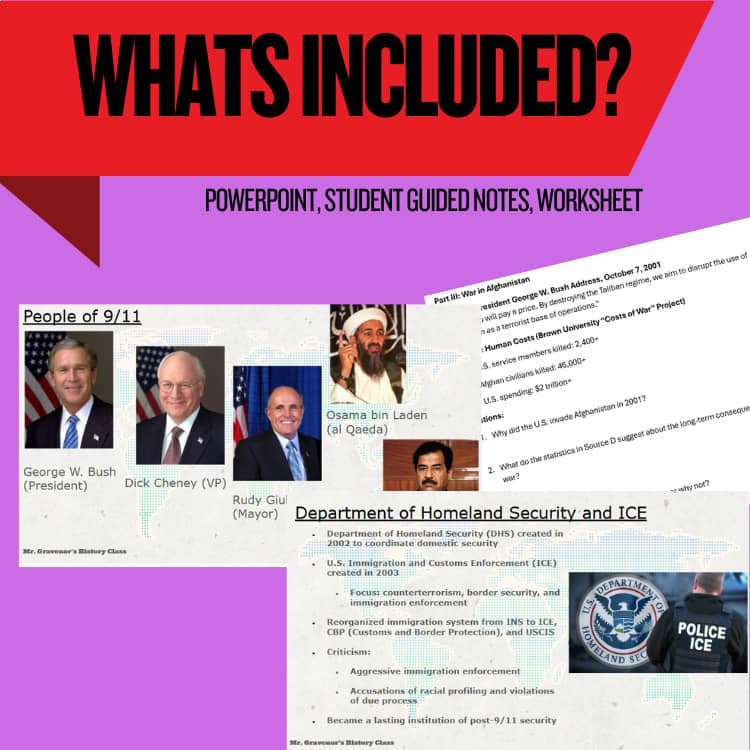
The September 11th attacks shattered America's sense of invulnerability, igniting a profound reassessment of domestic security. In the immediate aftermath, the U.S. government moved with unprecedented speed to enact sweeping domestic policy changes: Patriot Act & DHS became the twin pillars of a new national security framework, fundamentally reshaping how the nation protects itself from threats within and beyond its borders. These landmark legislative acts, born from crisis, centralized federal power, expanded surveillance capabilities, and sparked a persistent national debate over the balance between security and civil liberties that continues to this day.
At a Glance: Understanding the Patriot Act & DHS
- The Patriot Act (2001): Broadened government surveillance powers for intelligence and law enforcement agencies to track suspected terrorists.
- The Department of Homeland Security (DHS) (2002): Consolidated 22 disparate federal agencies into one massive department, centralizing domestic security efforts.
- Post-9/11 Response: Both were direct legislative responses to the perceived intelligence failures and vulnerabilities exposed by the 9/11 attacks.
- Key Controversies: Critically scrutinized for potential overreach, infringement on privacy, and lack of adequate oversight.
- Enduring Legacy: Key provisions of both remain in effect, continuously debated, adapted, and challenged in courts and Congress.
- Ongoing Debate: The tension between national security and individual freedoms is central to discussions about their future.
The Shadow of 9/11: A Nation's Urgent Response
Before September 11, 2001, the concept of homeland security as a unified federal mission barely existed. Agencies like the FBI, CIA, Customs, and the Coast Guard operated largely independently, each with their own mandates and jurisdictions. When the planes struck, revealing a critical vulnerability in intelligence sharing and coordination, the need for a drastic overhaul became painfully clear.
The nation reeled from the attacks that claimed thousands of lives. In the wake of this tragedy, there was a palpable urgency to prevent future assaults, a sentiment that fueled rapid legislative action. The president during 9/11, George W. Bush, rallied a shocked nation and swiftly moved to implement measures he deemed necessary to protect American citizens. This period marked a pivotal shift from a reactive defense posture to a proactive, comprehensive strategy against terrorism.
Unpacking the Patriot Act: Expanded Powers and Enduring Debates
The USA PATRIOT Act, an acronym for "Uniting and Strengthening America by Providing Appropriate Tools Required to Intercept and Obstruct Terrorism Act of 2001," was signed into law just 45 days after 9/11. Its stated purpose was to enhance national security by providing law enforcement and intelligence agencies with new tools to detect and prevent terrorism. However, the scope and speed of its enactment meant it would become one of the most controversial pieces of legislation in modern American history.
What the Patriot Act Changed
Before the Patriot Act, legal hurdles often hampered intelligence agencies from sharing information effectively or conducting surveillance across different types of communications without specific, narrowly tailored warrants. The Act sought to dismantle these "walls" by:
- Expanding Surveillance Powers: It significantly broadened the government's ability to conduct surveillance, including wiretaps, searches of business records, and monitoring of "lone wolf" suspects. This included changes to the Foreign Intelligence Surveillance Act (FISA), making it easier for the FBI to conduct surveillance in foreign intelligence investigations.
- National Security Letters (NSLs): The Act authorized the FBI to issue NSLs to obtain customer records from phone companies, internet service providers, banks, and other businesses without a warrant or judicial oversight. Recipients of NSLs were often prohibited from disclosing that they had received such requests.
- "Sneak and Peek" Warrants: It allowed law enforcement to conduct searches without immediately notifying the target, delaying notification for a "reasonable period" if immediate notification could jeopardize an investigation.
- Information Sharing: It encouraged greater information sharing between intelligence agencies and law enforcement, aiming to break down the siloing of critical data that was seen as a major failing pre-9/11.
- Enhanced Penalties: The Act created new crimes and increased penalties for terrorism-related offenses.
The Controversy: Civil Liberties vs. National Security
Almost immediately, the Patriot Act sparked fierce debate. Supporters argued these expanded powers were absolutely essential to combat a sophisticated and evolving terrorist threat. They pointed to the devastating scale of 9/11 and the need for government agencies to operate with agility and foresight to prevent future attacks. Many believed the trade-off in privacy was a necessary sacrifice for greater security.
Critics, however, voiced deep concerns about the breadth of these new powers and the potential for abuse. They argued that the Act granted excessive power without adequate oversight, risking fundamental civil liberties like freedom of speech, privacy, and due process. Advocacy groups, legal experts, and citizens alike feared it could lead to:
- Mass Surveillance: The provisions around bulk data collection raised alarms about government monitoring of ordinary citizens, not just suspected terrorists.
- Lack of Judicial Review: NSLs, in particular, were criticized for bypassing the traditional warrant process, diminishing judicial oversight.
- "Chilling Effect": Concerns arose that the fear of government surveillance could deter individuals from exercising their First Amendment rights, such as freedom of assembly or association.
Evolution: Reauthorizations, Amendments, and Sunset Clauses
The Patriot Act was not a static piece of legislation. Several provisions included "sunset clauses," meaning they would expire unless Congress specifically reauthorized them. This built-in mechanism forced periodic reviews and public debate. Over the years, the Act has undergone several reauthorizations and amendments, reflecting evolving threats and public sentiment.
- 2005 Reauthorization: Congress reauthorized most of the expiring provisions, but with some modifications to address concerns about civil liberties.
- 2011 Reauthorization: Key expiring provisions, including "lone wolf" surveillance and roving wiretaps, were extended again, often after contentious debates.
- USA Freedom Act (2015): This significant amendment curtailed the bulk collection of Americans' phone records by the National Security Agency (NSA). It instead required phone companies to hold the data, allowing the NSA to request information only on specific individuals with a court order. This was a direct response to revelations by Edward Snowden and public outcry over mass surveillance practices.
Today, key components of the Patriot Act, particularly those related to extended surveillance methods for telecommunications data, remain in force. The debate over oversight, transparency, and the potential for abuse continues, amplified by rapid advancements in technology that further expand surveillance capabilities.
The Birth of DHS: Consolidating America's Defenses
Parallel to the Patriot Act, the Homeland Security Act was signed into law by President George W. Bush on November 25, 2002. Its monumental purpose was to establish the Department of Homeland Security (DHS), a new cabinet-level department tasked with centralizing and coordinating U.S. national security efforts. This move was unprecedented, creating the largest government reorganization in over 50 years.
Why DHS Was Created: A Fragmented Past
Before 9/11, the U.S. security apparatus was a patchwork of over 100 different government entities across various federal agencies and even within the military. This fragmentation led to significant communication gaps, duplicated efforts, and a lack of a unified strategy against domestic threats. Investigations into 9/11 failures consistently highlighted the inability of agencies to "connect the dots" due to a lack of shared information and common objectives.
The creation of DHS was a direct attempt to fix this. It aimed to bring these disparate functions under one roof, fostering better communication, coordination, and a singular focus on homeland security.
Its Vast Mandate and Scope
The DHS absorbed 22 federal agencies and nearly 180,000 employees from departments like Treasury, Justice, Transportation, and Agriculture. Its mandate is incredibly broad, encompassing a wide range of responsibilities:
- Border and Transportation Security: Including Customs and Border Protection (CBP), Immigration and Customs Enforcement (ICE), and the Transportation Security Administration (TSA).
- Emergency Preparedness and Response: Managing FEMA (Federal Emergency Management Agency), coordinating disaster relief.
- Chemical, Biological, Radiological, Nuclear (CBRN) Defense: Protecting against weapons of mass destruction.
- Cybersecurity: Defending critical infrastructure from cyberattacks.
- Secret Service: Protecting national leaders and conducting financial investigations.
- Coast Guard: Maritime security, search and rescue.
This consolidation created a federal department whose mission spans everything from airport security lines and hurricane relief to cyber defense and border enforcement. It represents a fundamental shift in how the U.S. government views and manages its internal security.
Challenges and Criticisms of Centralization
While the intent behind DHS was sound, its implementation was fraught with challenges. Merging so many diverse agencies, each with its own culture, IT systems, and operational procedures, proved incredibly complex. Critics raised concerns about:
- Bureaucratic Bloat: The sheer size of DHS led to accusations of inefficiency and unwieldiness.
- Mission Confusion: With such a broad mandate, some argued that the department struggled to prioritize and execute its core functions effectively.
- Loss of Specialization: Integrating highly specialized agencies into a general security framework sometimes led to a perceived loss of focus or expertise in specific areas.
- Impact on Civil Liberties: Some aspects of DHS operations, particularly those related to immigration and border enforcement, have drawn criticism for their impact on civil liberties and human rights.
Despite these challenges, DHS has become an undeniable fixture in the U.S. government, its presence felt in airports, along borders, and in disaster zones across the country.
Patriot Act & DHS in Practice: A Decade-Plus On
Over two decades have passed since the Patriot Act and DHS dramatically reshaped America's domestic security landscape. Their impact is pervasive, touching nearly every aspect of American life, from travel to digital privacy.
How These Policies Have Been Implemented
The daily reality of these policies manifests in various ways:
- Enhanced Airport Security: The TSA, a component of DHS, changed air travel forever with stricter screening procedures, full-body scanners, and increased passenger scrutiny.
- Border Enforcement: CBP and ICE have expanded operations and technology along U.S. borders, leading to more rigorous immigration enforcement.
- Intelligence Gathering: Federal agencies routinely use the expanded surveillance powers of the Patriot Act, albeit with some modifications from the USA Freedom Act, to collect data and monitor communications in terrorism investigations.
- Emergency Response: FEMA, now part of DHS, plays a central role in coordinating federal, state, and local responses to natural disasters and other emergencies.
- Cyber Defense: DHS's Cybersecurity and Infrastructure Security Agency (CISA) actively works to protect critical infrastructure from cyber threats, a growing concern in the digital age.
Impact on Everyday Americans
While designed to combat terrorism, these policies inevitably affect ordinary citizens. Many have experienced:
- Increased Security Measures: From airport screenings to heightened security at public events, the presence of security measures is more pronounced.
- Concerns about Privacy: The knowledge that government agencies can access various forms of personal data, even if under specific circumstances, raises unease for many.
- Debate over Effectiveness: Some argue that the extensive measures have successfully thwarted attacks, while others contend they have imposed burdens without demonstrably improving security proportionate to the cost to civil liberties.
Prevented Attacks vs. Perceived Overreach
Supporters of the Patriot Act and DHS often point to the fact that there has not been a successful, large-scale international terrorist attack on U.S. soil since 9/11 as evidence of their effectiveness. They cite numerous instances where intelligence gathered through these expanded powers, or through enhanced coordination provided by DHS, allegedly helped prevent plots.
Conversely, critics maintain that many of these measures represent an overreaction that infringes on personal freedoms without sufficient justification. They argue that less intrusive methods could achieve similar security outcomes, and that the "chilling effect" on free speech and the potential for profiling disproportionately harm certain communities. The balance between proactive security and respecting individual rights remains a contentious, unresolved issue.
Legal Battles and Shifting Sands
The constitutional implications of the Patriot Act have been a fertile ground for legal challenges since its inception. Courts have played a crucial role in reviewing and, at times, curtailing its reach, ensuring that individual rights are better protected.
Constitutional Challenges
Numerous lawsuits have questioned various sections of the Patriot Act, primarily alleging violations of the Fourth Amendment (protection against unreasonable searches and seizures) and the First Amendment (freedom of speech and association). Key areas of contention include:
- National Security Letters (NSLs): Their ability to compel data without judicial review and impose gag orders on recipients has been challenged as an overreach of executive power.
- Bulk Data Collection: The collection of metadata (like phone records) from millions of Americans, regardless of suspicion, raised significant Fourth Amendment concerns.
- "Sneak and Peek" Warrants: Critics argued these violated the general requirement for prompt notification in searches.
Court Rulings and Their Impact
Courts have responded to these challenges with a mix of rulings:
- ACLU v. Ashcroft (2004): A federal court ruled that the gag order provision of NSLs was unconstitutional, though this was later modified by Congress to allow for judicial review of gag orders.
- Klayman v. Obama (2013): A district court judge found the NSA's metadata collection program "likely unconstitutional," though this ruling was later stayed on appeal.
- The Second Circuit's Ruling on Section 215 (2015): The U.S. Court of Appeals for the Second Circuit ruled that the NSA's bulk collection of phone metadata under Section 215 of the Patriot Act was not authorized by the statute, pushing Congress to pass the USA Freedom Act.
These legal battles have compelled amendments to the Patriot Act, pushing for greater transparency and stricter controls, demonstrating the dynamic nature of constitutional interpretation in the face of evolving security threats.
Comparing with International Responses
The U.S. was not alone in grappling with new security challenges post-9/11. Countries like the United Kingdom, Canada, and Australia also implemented similar laws to bolster national security in the face of global terrorism threats.
- United Kingdom: Passed the Anti-terrorism, Crime and Security Act 2001, which included expanded surveillance powers, detention without trial (later struck down), and freezing of terrorist assets. The UK has since continued to update its terrorism legislation, often balancing robust surveillance with some judicial oversight.
- Canada: Introduced the Anti-Terrorism Act (2001), granting new police powers, including preventative arrests and investigative hearings, and expanding surveillance capabilities. Many of these powers have also been subject to sunset clauses and subsequent review.
- Australia: Enacted a series of anti-terrorism laws, including the Security Legislation Amendment (Terrorism) Act 2002, which broadened definitions of terrorism and enhanced investigative powers, alongside measures for data retention.
Each nation has taken a slightly different approach to balancing security and civil liberties, reflecting their unique legal traditions, political systems, and public tolerance for government intervention. However, the global trend has been towards increased state powers in the realm of counter-terrorism.
Navigating the Digital Age: New Threats, New Challenges
The digital revolution has introduced a new layer of complexity to the debate surrounding the Patriot Act and DHS. As technology advances, so too do the capabilities of both those who would do harm and those who seek to prevent it.
Technology's Role in Surveillance Capabilities
Modern technology has fundamentally transformed the nature of surveillance. The rise of the internet, smartphones, social media, and the "Internet of Things" (IoT) means that individuals generate vast amounts of digital data daily. This "big data" can be a powerful tool for intelligence agencies, offering unprecedented insights into communications, movements, and associations.
However, it also intensifies concerns about privacy. The ease with which large datasets can be collected, analyzed, and cross-referenced by algorithms raises questions about the scope of surveillance, the potential for mission creep, and the chilling effect on online expression. The traditional model of targeted surveillance based on specific suspicion becomes harder to maintain when so much data is routinely collected.
Privacy in the Era of Big Data
For many, the core tension lies in who owns and controls personal data in the digital realm. Is your browsing history private? Can law enforcement access your encrypted messages? The answers are often complex and evolving. The Patriot Act's enduring provisions, coupled with the vast data-gathering capabilities of DHS components like CBP (at borders) and CISA (in cyberspace), mean that the government has significant access to digital information.
Advocacy groups continually push for stronger privacy protections, arguing that existing laws, designed for a pre-digital era, are insufficient. They highlight the need for clear legal frameworks, robust judicial oversight, and transparency regarding how data is collected, stored, and used.
The Ongoing Tension
The debate isn't just about what can be done, but what should be done. National security demands a proactive stance against threats that often leverage digital tools. Yet, democratic values underscore the importance of privacy and freedom from unwarranted government intrusion. This ongoing tension is at the heart of the future of domestic security policy. Lawmakers constantly face the challenge of updating legislation to keep pace with technological change while upholding constitutional principles.
Looking Ahead: The Future of Domestic Security Policy
The Patriot Act and DHS have undeniably left an indelible mark on American society. As the threat landscape continues to evolve, from traditional terrorism to cyber warfare and domestic extremism, so too must the nation's policies. The ongoing debates suggest potential reforms aimed at adapting these frameworks to new challenges without sacrificing fundamental freedoms.
Calls for Reform: Tightening Permissions and Oversight
There is a consistent call from civil liberties advocates, some lawmakers, and segments of the public for significant reforms. These often focus on:
- Tightening Surveillance Permissions: Limiting the scope of data collection and requiring higher thresholds for warrants and access to personal information.
- Enhancing Judicial Oversight: Ensuring that independent courts have a more robust role in reviewing and approving surveillance activities, rather than relying solely on executive branch processes.
- Sunsetting Overly Broad Provisions: Allowing certain expansive powers to expire unless Congress explicitly reauthorizes them with greater specificity and stricter controls.
- Increased Transparency: Demanding more public disclosure about the types of surveillance conducted, the data collected, and the impact on civil liberties.
These reforms aim to strike a more precise balance, ensuring effectiveness in countering threats while being less intrusive on the lives of innocent citizens.
Balancing Effectiveness with Democratic Values
The core challenge remains the same: how to ensure national security without eroding the democratic values of privacy, freedom, and due process that define American society. It's a complex equation with no easy answers.
- Security Imperative: The government has a fundamental responsibility to protect its citizens from harm.
- Liberty Imperative: Citizens have a right to live free from unwarranted government intrusion and surveillance.
Finding the sweet spot between these two imperatives requires continuous dialogue, ethical considerations, and a commitment to adapting laws as threats and technologies evolve.
Potential Legislative Changes
Future legislative changes could take several forms:
- Further Amendments to Existing Laws: Building upon the USA Freedom Act, Congress might introduce new bills to further restrict bulk data collection or increase transparency around NSLs.
- New Laws Addressing Emerging Threats: As cyber threats and challenges like domestic extremism grow, new legislation specifically tailored to these areas, with appropriate checks and balances, may be necessary.
- Modernizing DHS: Reforms within DHS itself could focus on streamlining operations, improving accountability, and better defining its vast mission to enhance efficiency and public trust.
The future of domestic security policy is not a foregone conclusion. It will be shaped by ongoing public discourse, legal challenges, technological advancements, and the actions of lawmakers striving to protect the nation while safeguarding its core principles.
Your Role in the Conversation: Staying Informed and Engaged
The Patriot Act and the Department of Homeland Security are not abstract concepts; they are foundational elements of how the U.S. government functions to protect its citizens. Understanding their origins, evolution, and ongoing impact is crucial for informed citizenship.
These policies represent a continuous experiment in balancing the vital need for security with fundamental democratic freedoms. Your engagement in this conversation—whether through understanding the issues, supporting advocacy groups, or participating in the democratic process—is essential. Staying informed about proposed legislative changes, judicial rulings, and expert analyses will empower you to contribute to a domestic security framework that is both effective and respectful of individual rights. The future of these critical policies depends on an active and informed citizenry.